Around 4M Americans now drive electric vehicles, yet tragic incidents like the recent Tesla Cybertruck explosion in Texas highlight the importance of EV safety. With this in mind, the auto parts manufacturer Yijin Hardware recently did a study to identify the safest electric cars to drive in 2025.
The research evaluated electric vehicles using a Car Safety Score calculated from crash rates per 10K vehicles, safety ratings from independent surveys, and recall history over a three-year period. Cars were ranked on a 100-point scale, with higher scores indicating better overall safety.
Here’s a look at the top 5 safest electric vehicles in 2025:
| Car Model | Total Crashes | Crashes per 10k cars | Number of Recalls |
|---|---|---|---|
| Hyundai Kona Electric | 2 | 0.0 | 8 |
| Volkswagen ID.4 | 4 | 0.3 | 68 |
| Volvo XC40 | 6 | 0.5 | 55 |
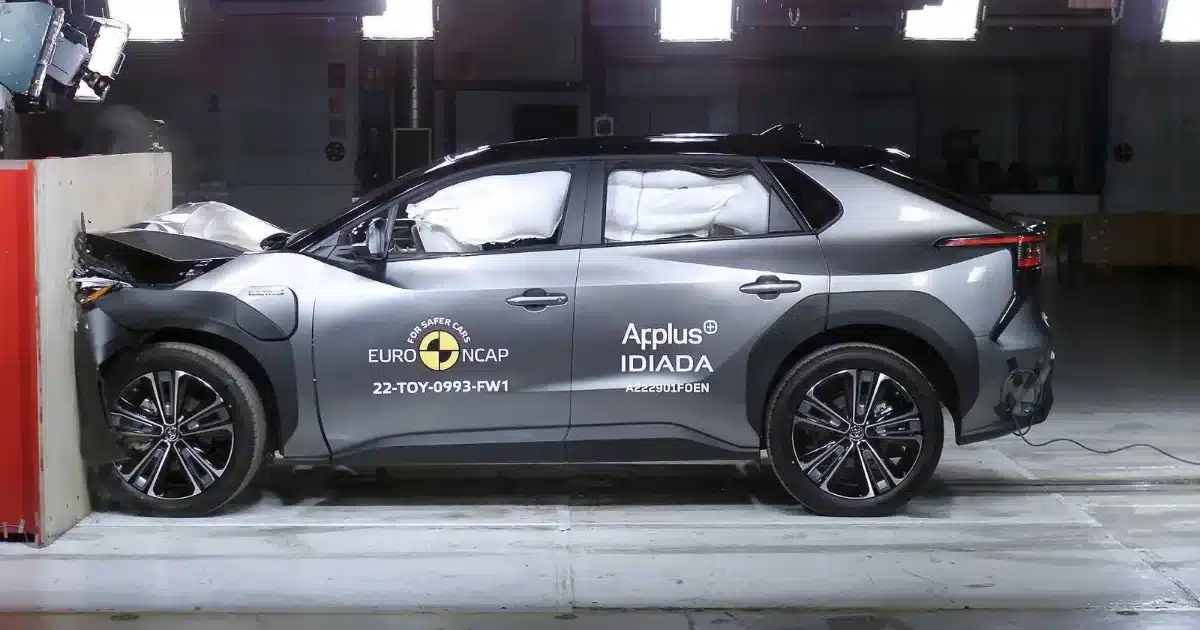
| Toyota bZ4X | 1 | 0.9 | 6 |
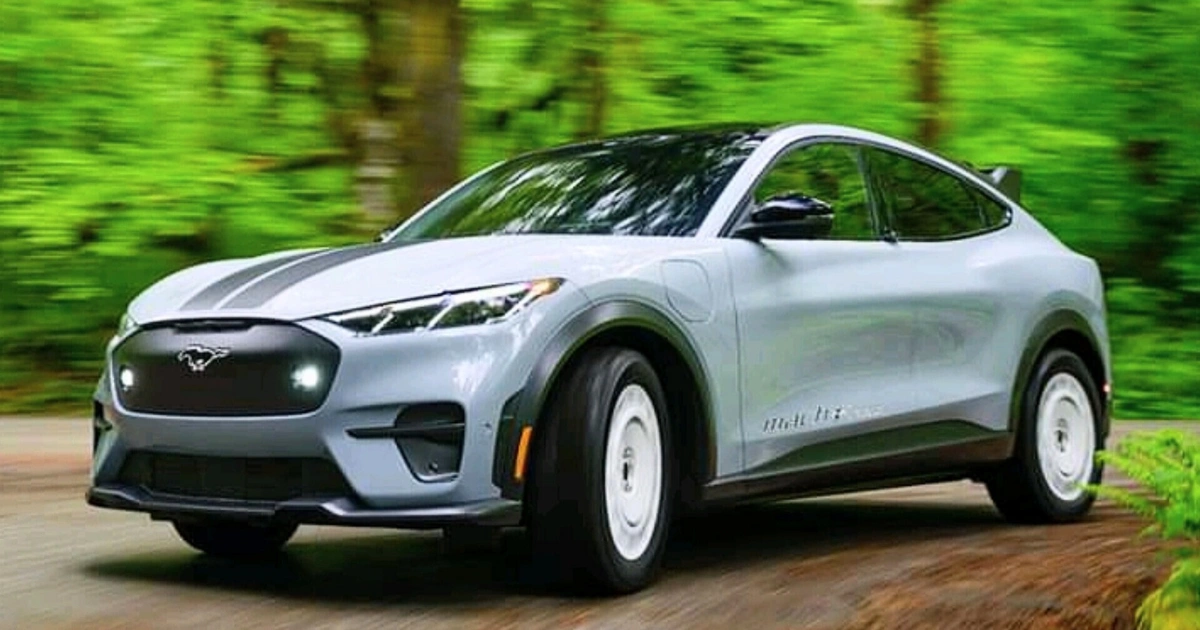
| Ford Mustang Mach-E | 7 | 0.7 | 56 |
The Hyundai Kona Electric takes first place with the highest 100/100 safety score. The Korean compact SUV stands out with 2 crashes reported among its 429K vehicles sold, giving it a minimal 0.05 incident rate per 10K cars, the lowest in the study. The model has also seen 8 recalls over the years, which is way lower compared to other vehicles.
The Volkswagen ID.4 is the second safest EV with a 90/100 score. The German manufacturer has sold 126K units of this model, with 4 crashes reported. Over the past three years, the ID.4 has been subject to 68 recalls, yet it also received an 85.75% rating in independent safety surveys, one of the highest in the study.
The Volvo XC40 follows closely in third position, getting an 88 safety rating. With 6 accidents among 127K vehicles, the XC40 has a 0.47 crash rate. The model has been recalled 55 times (well below the study average) and maintains a safety record that nearly matches Volkswagen’s performance.
Next is the Toyota bZ4X with an 86-point safety score. The Japanese newcomer has just 1 recorded crash, and with 10K units sold, this equates to a 0.95 crash rate. The model also records 6 recalls in past years and has the highest 86.3% safety rating from independent surveys.
The Ford Mustang Mach-E completes the top 5 safest EVs with an 85-point safety score. This American electric crossover has a 0.65 incident rate, reporting 7 crashes in total (out of 107K sold). The Mach-E experienced around the same number of recalls as the XC40, and also matches the Volvo’s model with an 82% safety rating.
“Electric cars are changing fast, and safety is one of the biggest concerns for drivers,” says Gavin Yi, CEO of Yijin Hardware. “Batteries, new software systems, and advanced electronics all bring unique risks that older cars never had. At the same time, EVs are heavier than gas cars because of their large batteries, which means crashes can be more damaging if safety systems don’t keep up. Buyers should remember that safety isn’t only about crash tests. For families thinking about buying their first EV, looking at recalls, crash records, and survey feedback together gives a much clearer picture of how safe the car will be in everyday use.”