
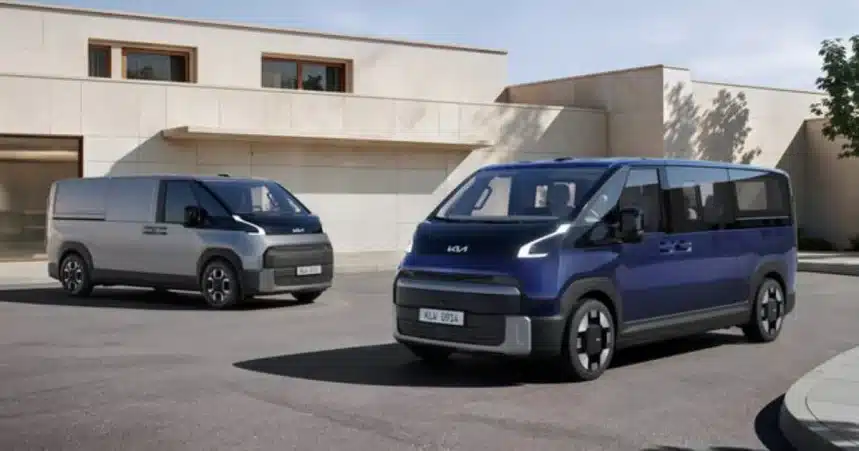
Kia has revealed its second electric van, called the PV7, in a bid to expand its electric van lineup. The automaker announced the plans for this van during the CES 2024 and teased it; now the wait is over. The new Van features the same futuristic styling as the PV5 with thin daytime running lights on a gloss black panel.
The new van was officially revealed at the IAA Transportation 2026 Show held in Hannover, Germany. The PV7 is the second model that utilizes Kia’s Platform Beyond Vehicle (PBV), and the vehicle will be offered in both Cargo and Passenger variants like its sibling, the PV5.
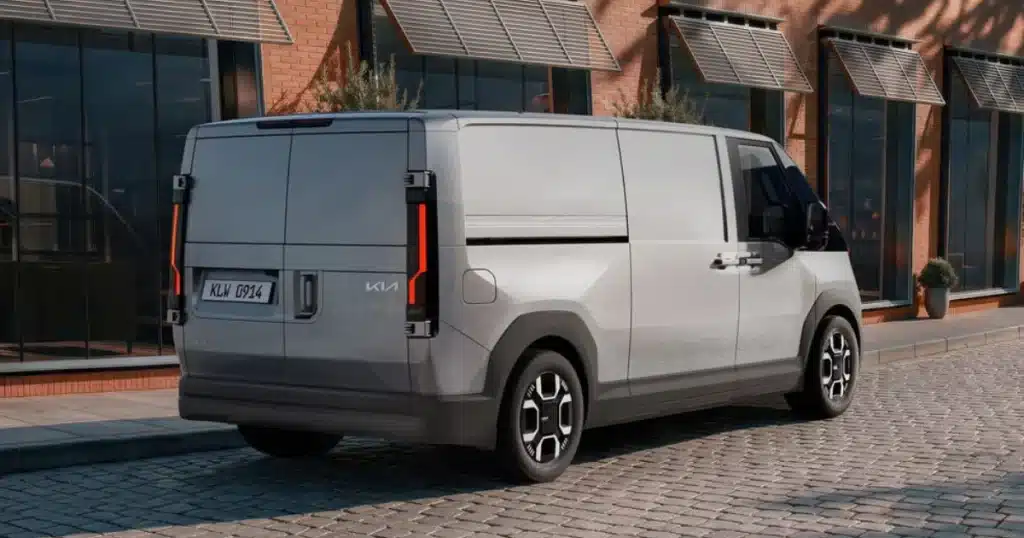
The Kia PV7 will ride on the same E-GMPS platform as the Kia PV5. The architecture keeps the floor flat, improving space in the interior, and will allow KIA to add more variants in the lineup. This EV will come in two powertrain variants, either a 72-kWh or 96-kWh battery with a single motor mounted in the front producing 268 horsepower and 309 pound-feet of torque; Kia plans to add a four-wheel-drive version later.
All the full lineup range of the PV7 has not yet been disclosed, but Kia says the Long Range Cargo Version is fitted with a 92 kWh battery capable of traveling 285 miles (WLTP) on a charge or 240 miles using EPA’s tech.
The 800-volt architecture helps the PV7 charge from 10 to 80 percent within 25 minutes on DC fast chargers. The van has two charging ports: the front that supports AC or DC and the rear AC port, which is optional. The van also allows vehicles to load, which lets drivers power external electronic tools and power equipment using the van’s power.
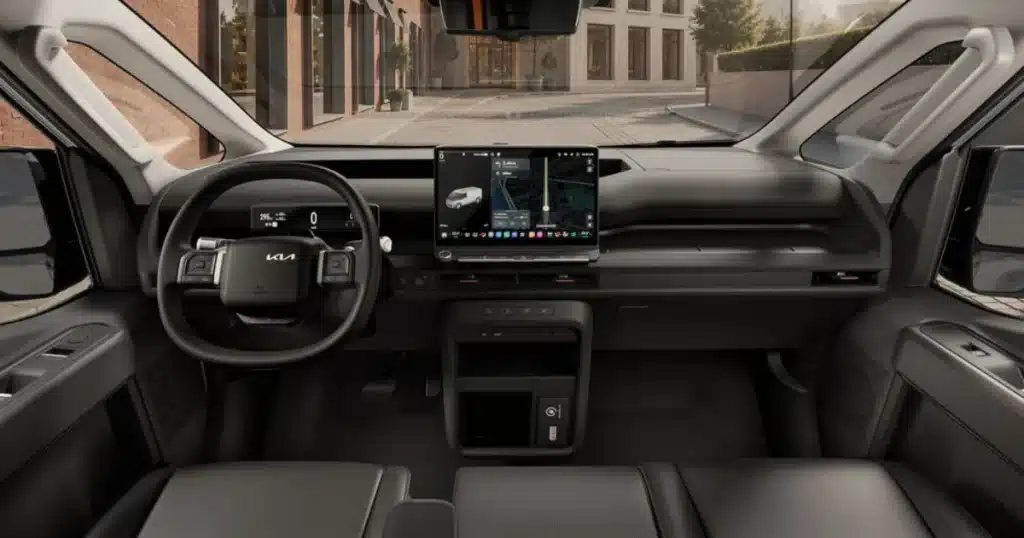
The Kia PV7 interior is similar to the PV5; it features a 14.6-inch touch screen that seats on the dashboard and a thin digital gauge cluster situated behind the squared-off steering wheel. The PV7 keeps many physical buttons, including a row of tools for the climate system control.
The 14.6-inch infotainment touchscreen runs on the new Pleos operating system, which is based on the Android Automotive System designed to bring a smartphone UI interference. The system features flexible screen layouts and allows the download of various apps from an open app marketplace.
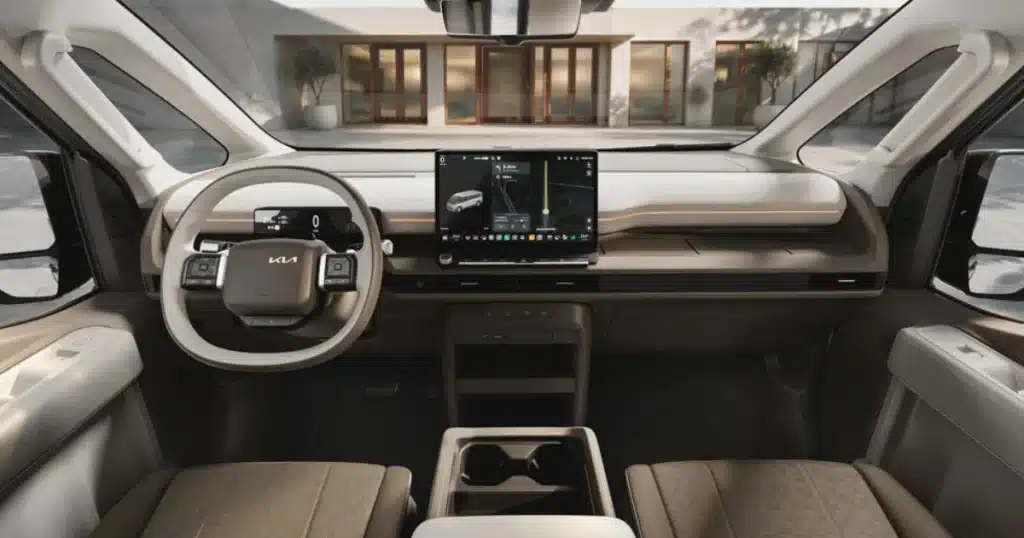
The other feature is the Gleo AI, which is a voice assistant feature that handles the PV7 messaging functions and navigation. The cargo variant comes with the Kia business solution portal software, a system that allows fleet managers to efficiently handle charging, daily operations tasks, and maintenance.
Also, there is Kia’s uptime service that monitors the vehicle in real-time and provides a predictive diagnostic. On the interior setup, this variant will be offered in two- or three-seater setups, and it measures 210.6 meters from the nose to the tail for the long cargo, providing up to 215 cubic feet of space.
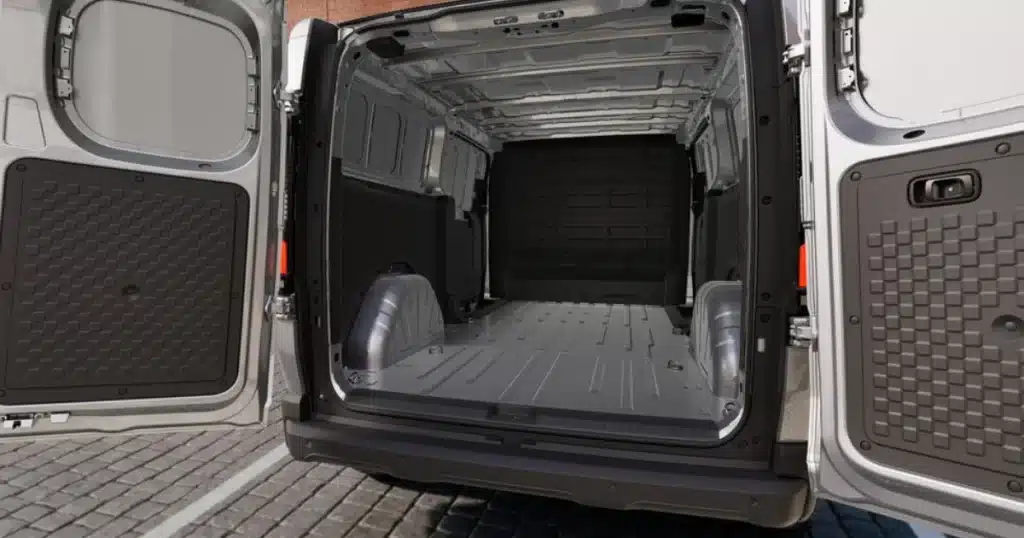
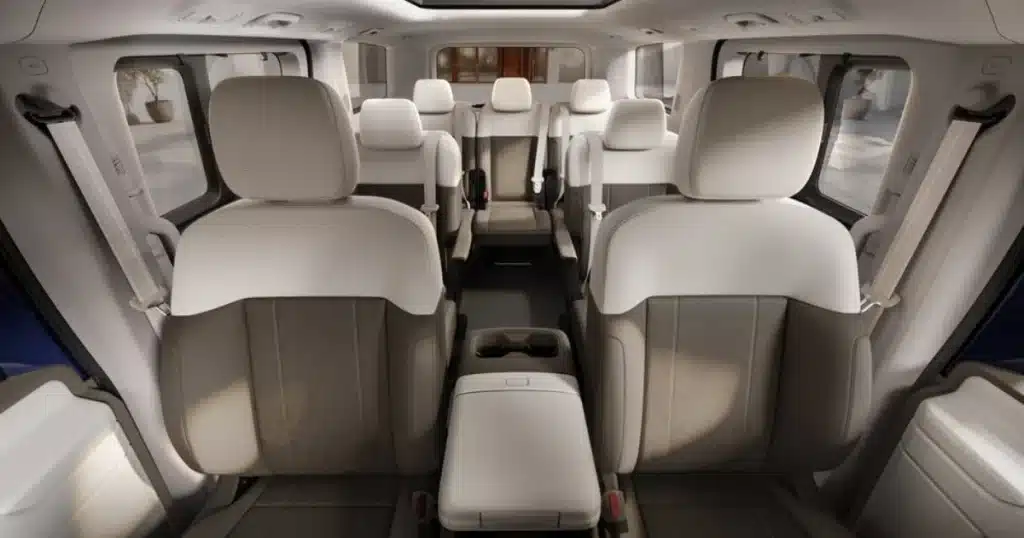
The High Roof Cargo increases the cargo capacity to 282 cubic feet. The payload capacity for the Long Cargo is rated at 2,568 pounds, and they have included a dedicated Heavy Load Drive Mode. The PV7 Cargo Van includes either a twin swing tailgate or a lift tailgate. The PV7 Passenger Van has the same dimensions as the Cargo variants but provides seating for up to nine passengers, while in South Korea it includes 11 seats.
The Kia PV7 will go on sale starting in 2027 only for the South Korea and Europe markets, and later it will expand to more markets. The PV7 will also be available in 23 different variants in the future and includes a compact version of the cargo and passenger, a chassis cab variant, and more.
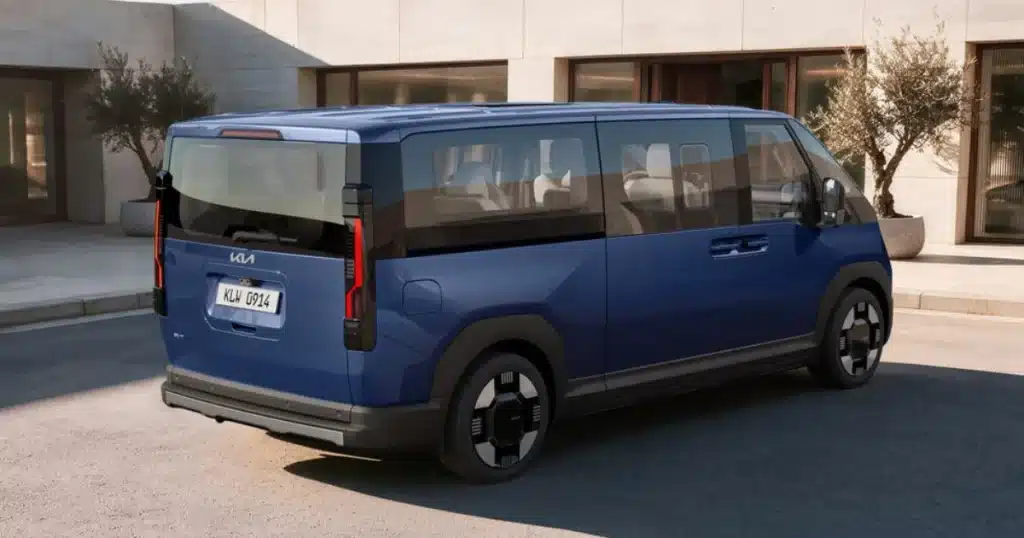
The PV7 will be built in the same factory where the PV5 was built; the factory is located in Hwaseong, South Korea. KIA isn’t stopping there; it plans to launch a larger model called PV9, which will be scheduled in 2029. Pricing of the PV7 hasn’t been confirmed yet, but we expect something more than the PV5 current figures.
Discover more from Motor Rove
Subscribe to get the latest posts sent to your email.